Downtown Dubai
0
Projects
Building the future with dedicated developers and exciting projects
1
Developers
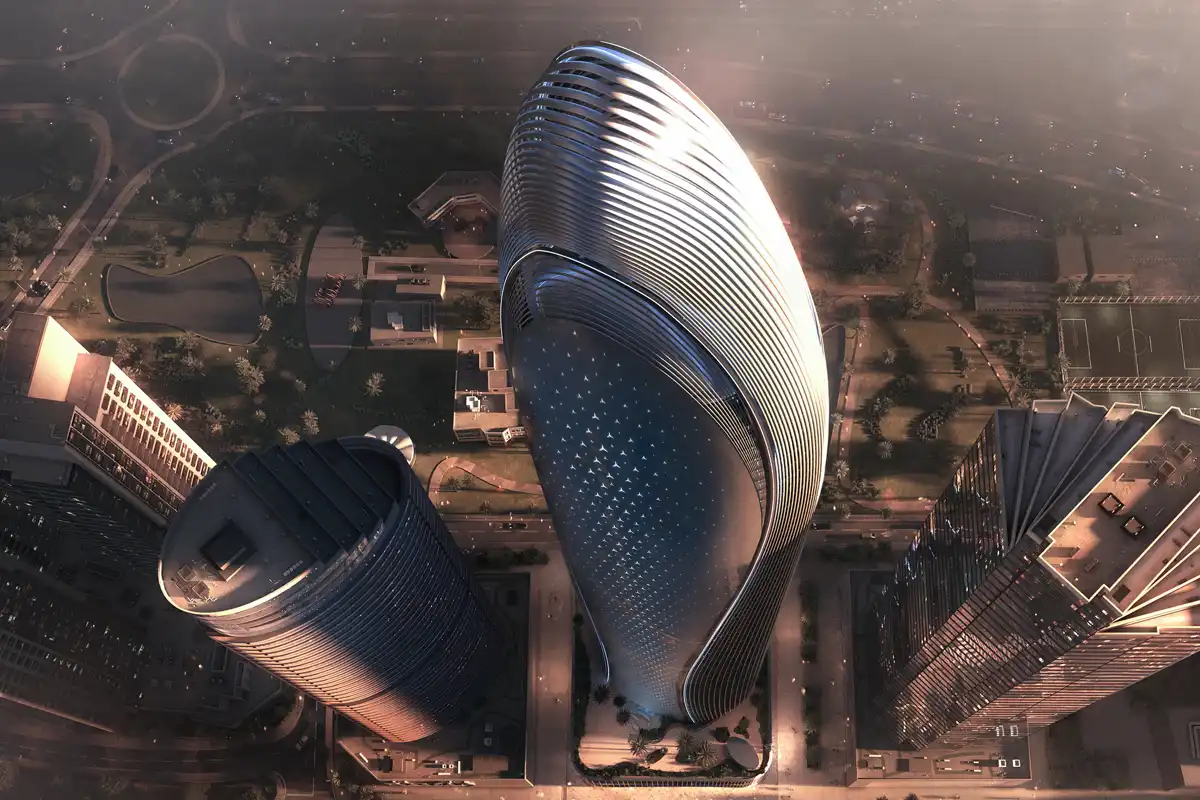
Mercedes-Benz Places
AED 11.3 Million
Downtown Dubai
 2,3,4
2,3,4
 70/30
70/30
Downtown Dubai – Community Overview
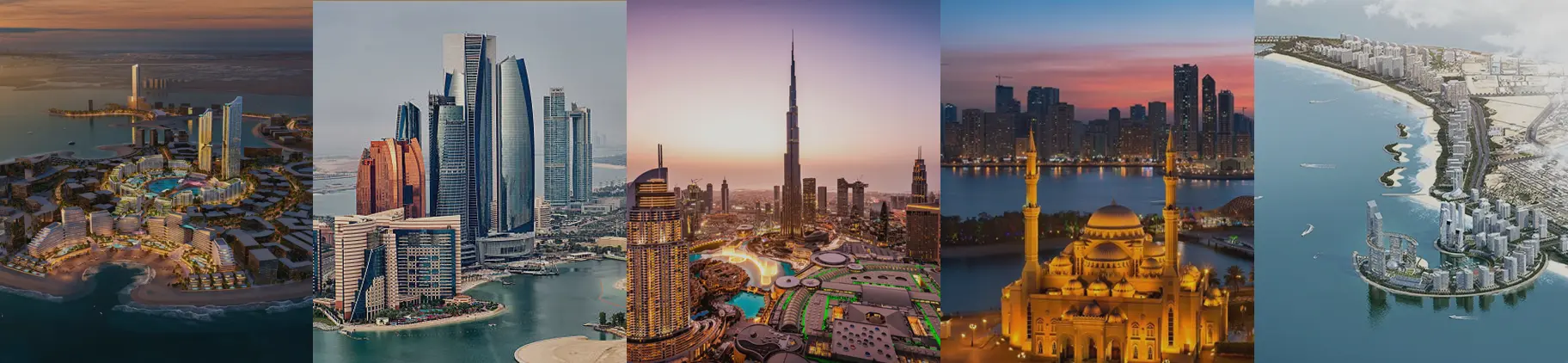
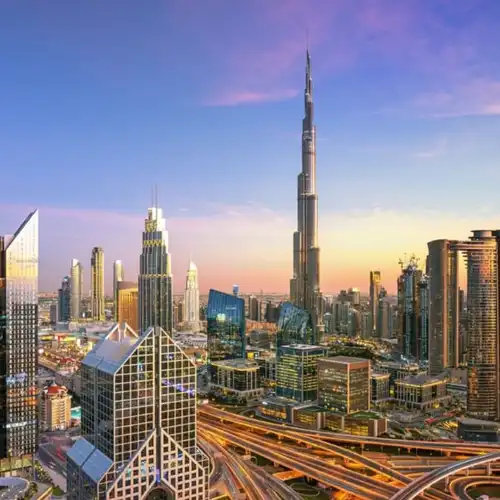
Downtown Dubai is Dubai flagship urban district, developed as a high-density, mixed-use destination at the heart of the city. Master-planned by Emaar Properties, the district was conceived as a complete city centre combining residential towers, retail destinations, hospitality assets, cultural venues, and public spaces within a compact, walkable environment.
Positioned around some of Dubai most recognisable landmarks, Downtown Dubai represents the city modern urban identity. It is designed primarily for end users, professionals, and long-term owners who value centrality, connectivity, and an established lifestyle environment rather than suburban living.
Location & Urban Context
Downtown Dubai occupies a central location within Dubai’s urban core, often referred to as the Burj Khalifa District. The community is directly anchored by Burj Khalifa and sits adjacent to Dubai Mall, with immediate access to Sheikh Zayed Road and surrounding business districts.
The area is planned as a pedestrian-oriented urban zone, with internal boulevards, promenades, and landscaped walkways linking residential towers to retail, entertainment, and leisure destinations. Unlike spread-out residential communities, Downtown Dubai functions as a vertical city where daily needs are largely accessible on foot.
Master Plan & Development Concept
Downtown Dubai follows a vertical, high-rise planning model focused on density, integration, and landmark-driven design. Residential towers are integrated with hotels, serviced apartments, offices, retail podiums, and public spaces, creating a layered urban environment.
The master plan emphasises visual corridors toward major landmarks, active street-level spaces, and a continuous public realm connecting boulevards, plazas, and waterfront features around Burj Lake. Development has taken place in phases, allowing the district to evolve gradually while maintaining a cohesive urban identity.
Residential Towers & Development Phases (Chronological Overview)
Early residential developments formed the foundation of Downtown Dubai as a liveable district. Projects such as The Residences, Burj Views, South Ridge, and Old Town introduced apartment living close to Burj Khalifa, focusing on functional layouts and proximity to retail and open spaces.
As the district matured, later developments such as Boulevard Heights, Boulevard Point, and Forte reflected evolving design standards, with improved layouts, upgraded finishes, and closer integration with cultural venues like Dubai Opera.
Signature towers such as Opera Grand, Grande, and residential units within Burj Khalifa itself represent the upper tier of Downtown living, offering larger residences, landmark views, and enhanced privacy within the urban setting.
Newer additions, including serviced and branded residences, were introduced as Downtown transitioned into a fully established global address, appealing to buyers seeking lifestyle-driven, centrally located homes.
Launch History & Price Evolution
Early Downtown Dubai launches were positioned as city-centre residential options at a time when the area was still under development. Initial pricing reflected early-stage urban risk, with relatively modest entry points compared to later years.
As infrastructure, retail, hospitality, and public spaces were completed, pricing shifted to reflect Downtown Dubai’s growing status as a premium, fully operational district. Later launches introduced higher specifications, improved layouts, and stronger brand associations, which naturally resulted in higher launch price ranges.
All pricing references should be understood as approximate historical launch pricing based on publicly reported information, reflecting urban maturity rather than investment performance. No future pricing assumptions or appreciation claims are implied.
Recent & Ongoing Development Direction
Recent Downtown Dubai developments show a clear shift toward refined design, branded living concepts, and greater emphasis on lifestyle integration. Newer towers typically feature enhanced arrival experiences, upgraded amenities, and closer alignment with hospitality standards.
Compared to earlier phases, contemporary projects reflect a more established planning environment, with limited new land availability and a greater focus on quality rather than scale.
Buyers considering Mercedes-Benz Places or other premium residences in Downtown Dubai can also compare the wider Dubai luxury property collection. It includes selected branded residences, penthouses, waterfront homes, private villas and mansions across prime Dubai locations.
Why Downtown Dubai Works as a Community for Listings
Downtown Dubai requires a dedicated community authority page because property decisions in this district are highly tower-specific. Buyers typically compare older versus newer buildings, standard apartments versus branded residences, and view orientation within the same neighbourhood.
Listings are evaluated less by “phase” and more by individual tower characteristics, location within the district, and proximity to landmarks. A single, well-structured community overview helps users understand this complexity before narrowing their search.