Jumeirah Village Triangle
1
Projects
Building the future with dedicated developers and exciting projects
1
Developers
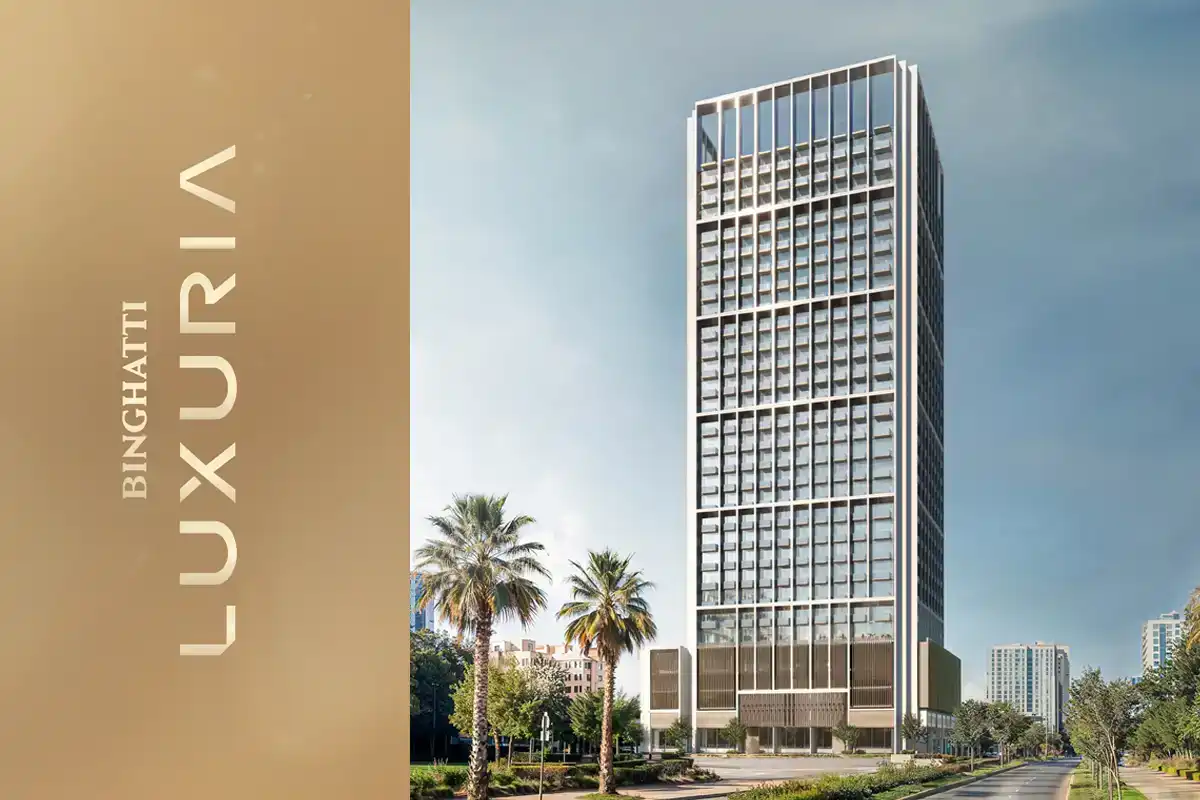
Binghatti Luxuria At JVT
AED 766,999
Jumeirah Village Triangle
 Studio,1,2
 70/30
70/30
Jumeirah Village Triangle (JVT) - Community Overview
What JVT Is
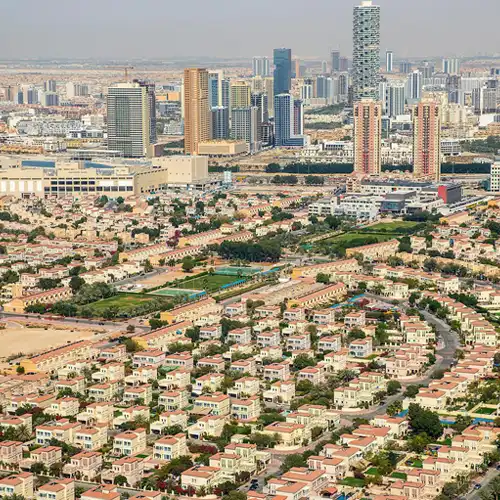
Jumeirah Village Triangle (JVT) is a low‑rise residential community master‑planned by the government‑owned developer Nakheel. Covering roughly 242 ha, the community comprises more than 13,000 homes, including villas, townhouses and low‑rise apartment buildings. The project was launched in the mid‑2000s as part of Dubai’s expansion strategy and was conceived as a low‑density neighbourhood that prioritises space, greenery and livability. JVT’s tranquil streets, parks and family‑oriented planning make it popular with end users and long‑term residents seeking a suburban environment within New Dubai.
Location & Planning Context
Positioning in New Dubai - JVT lies west of the old city, within the western expansion area of Dubai. It sits at the junction of two major highways: Sheikh Mohammed Bin Zayed Road (E311) to the east and Al Khail Road (E44) to the west. This location grants residents direct connectivity to key districts such as Jumeirah Village Circle (JVC) to the south, Dubai Marina and Jumeirah Lakes Towers to the west, and Jebel Ali to the south‑west. The internal road network links each district to the major highways, though public transport is limited; there is no metro station within JVT, so most residents rely on private vehicles.
Master Plan & Community Layout
Triangular layout - JVT’s name reflects its distinctive triangular form. Nakheel subdivided the master plan into nine districts arranged around green spaces and community parks. The neighbourhood was designed for low‑rise development: most plots host two‑bedroom villas or townhouses, while low‑rise apartment buildings occupy selected plots along the district edges. The plan includes shaded walkways, parks, mosques, schools and sports courts, though large entertainment venues are absent. Roads radiate from the internal parks toward exits on E311 and E44.
Residential Development Pattern in JVT
Independent Villas
-
Type of homes - Two‑bedroom villas designed in Mediterranean or Arabian styles offer generous gardens and parking spaces. Some villas include three bedrooms or modifications, but the standard layout is two bedrooms with a maid’s room.
-
Development period - Villas were among the first properties handed over, with construction beginning in the late 2000s and handovers occurring from circa 2008 onward (multiple guides note deliveries from 2008–2012). Early villa clusters established the community’s reputation for spacious family homes.
-
Contribution to character - The villa's low‑rise profile, private gardens, and quiet streets give JVT a suburban feel. Mature landscaping and tree‑lined roads create a sense of permanence that appeals to families and long‑term residents.
Townhouses
-
Type of homes - One‑ and two‑bedroom townhouses with private gardens were built alongside villas. These homes share architectural styles (Mediterranean and Arabian) but offer slightly smaller plots, making them attractive to couples or small families.
-
Development period - Townhouses were delivered alongside the villas in the late 2000s and early 2010s, forming the bulk of the nine districts.
-
Contribution to character - Townhouses help maintain the low‑density character while broadening affordability. Their uniform height and façades support the community’s cohesive aesthetic.
Low‑Rise Apartment Buildings
-
Type of homes - Early apartment buildings such as Imperial Residence and Al Manara Tower are mid‑rise structures (typically 10-15 storeys) offering studio to three‑bedroom flats. These provided apartments within a mostly villa neighbourhood and attracted young professionals or small families.
-
Development period - Most low‑rise buildings were completed during 2012‑2018 as the market recovered from the 2008 financial slowdown. Third‑party developers took advantage of available plots to construct small towers.
-
Contribution to character - The low‑rise buildings introduce housing diversity while maintaining moderate heights and modest densities.
Mixed Residential Plots & New Mid‑Rise Towers
-
Type of homes - From the early 2020s onward, developers began introducing mid‑ and high‑rise towers with broader amenity packages, including studios to four‑bedroom apartments and penthouses. Many of these projects are branded or wellness‑oriented.
-
Development period - The 2023-2025 period saw a surge of new launches, reflecting renewed investor interest and improved infrastructure. These towers are still under construction or planning and represent the next phase of JVT’s evolution.
-
Contribution to character - The new towers add verticality and modern amenities, contrasting with the community’s original low‑rise profile. They appeal to buyers seeking contemporary design, resort‑style facilities, and off‑plan payment plans.
Project Launch History & Price Context
Early developments - Villas and townhouses launched in the late 2000s were priced competitively compared with more central areas, reflecting JVT’s peripheral location. While exact launch prices are not widely documented, property portals show that villa and townhouse prices remained moderate through the 2010s. By Dec 2025, secondary market data from Engel & Volkers indicated average selling prices of around AED 703k for studios, AED 1.1 m for one‑bedroom apartments, and AED 2.51 m for one‑bed townhouses (approximate figures). These figures highlight how the market matured over time.
Recent launches - New projects often advertise launch prices starting from around AED 639k-830k for entry‑level apartments (see Voxa and Fashionz projects below). Such pricing reflects demand for off‑plan units with modern amenities. Prices and payment plans vary; all prices noted below are approximate and based on publicly reported data.