Dubai Industrial City
1
Projects
Building the future with dedicated developers and exciting projects
1
Developers
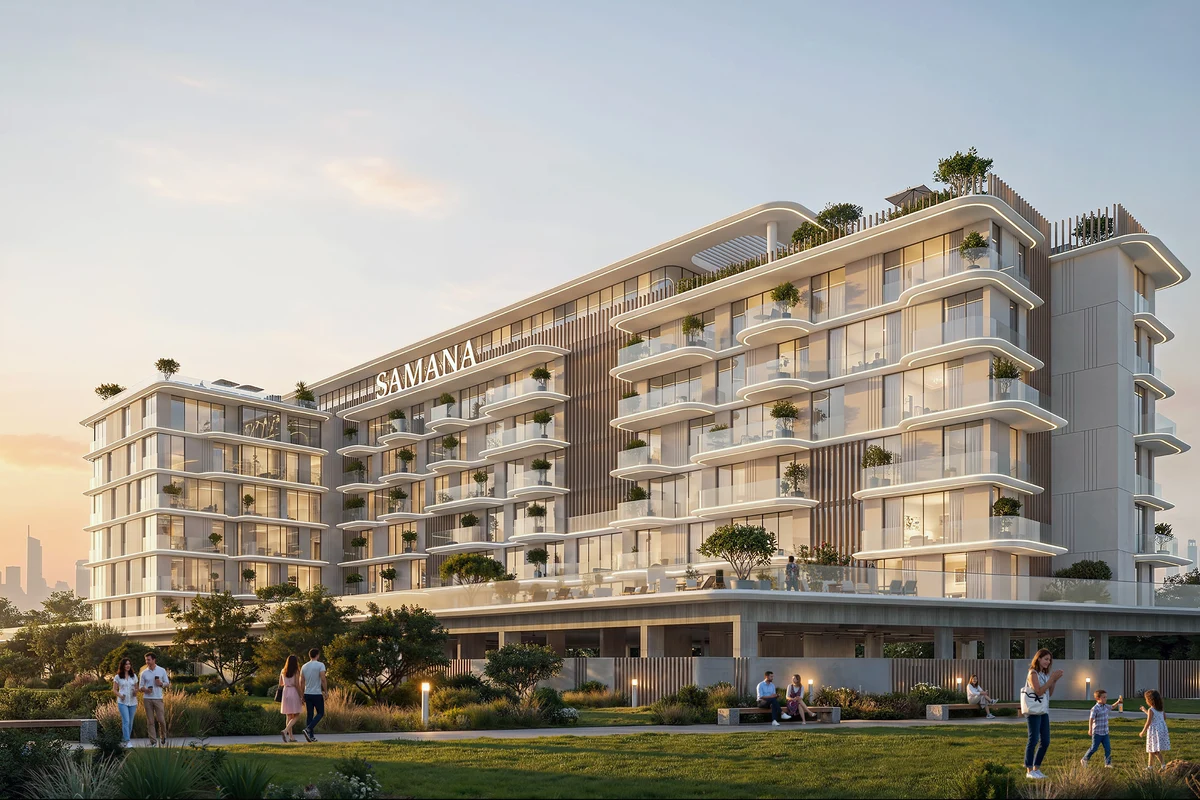
South Haven By Samana
AED 1.1 Million
Dubai Industrial City
 1,2
1,2
 64/36
64/36
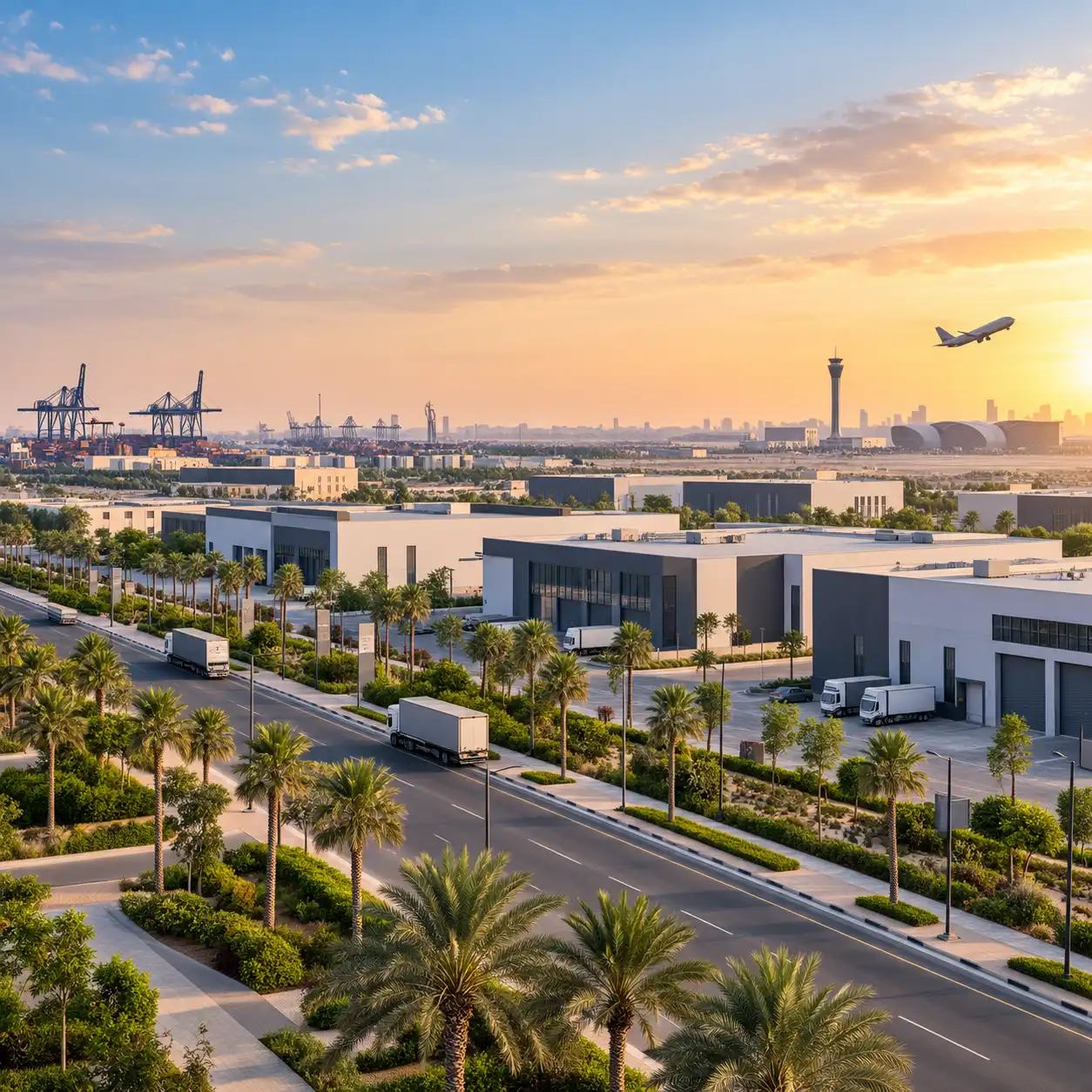
Dubai Industrial City is a manufacturing and logistics district in southwest Dubai, established by TECOM Group in 2004. Its core identity is industrial rather than residential: the official master plan is built around industrial land, warehouses, logistics facilities, manufacturing zones, commercial space, and workers’ accommodation. For a homebuyer, that distinction matters because the residential market sits within and around a working industrial district rather than a conventional lifestyle-led master community.
The location is the main reason some buyers consider it. Dubai Industrial City sits close to Al Maktoum International Airport, Jebel Ali Port, Emirates Road and Sheikh Mohammed bin Zayed Road, placing it inside Dubai’s southern employment and logistics corridor.
Living in Dubai Industrial City
Daily life is practical and car-oriented. The official community includes retail outlets, commercial spaces and workers’ accommodation with sports, leisure and outdoor facilities. However, buyers should not expect the same concentration of parks, schools, cafés and family facilities found in a mature residential community.
For families, the exact building or cluster matters more than the broad community name. School runs, supermarkets, healthcare, noise, truck movement and access to main roads can vary by micro-location. Buyers who want a more residential setting nearby should also compare Dubai South and Expo City before deciding.
Location and Connectivity
Official Dubai Industrial City information places Al Maktoum International Airport at about 10 minutes and Jebel Ali Port at about 15 minutes by car. Emirates Road and Sheikh Mohammed bin Zayed Road provide the main road connections, while the district also has access to the Dubai Industrial City Etihad Rail freight terminal.
Public transport exists, but this is not a Metro-led community. RTA route F53 connects Ibn Battuta Metro Station with Dubai Industrial City. For most residents, a private car is still the more practical option, especially for daily movement within the wider industrial area.
Properties in Dubai Industrial City
Residential supply is concentrated mainly around Saih Shuaib 2. Current property portals show a mix of apartments, townhouses and villas, with a large share of apartment stock coming from newer off-plan projects such as Samana South Haven, Coventry developments and South Lofts. Villa and townhouse options are more limited and include developments such as Terva Homes and Sahara Meadows.
That means buyers should compare the exact project, not only the area. Start with Dubai off-plan properties, then narrow the search through off-plan apartments in Dubai, off-plan villas in Dubai or off-plan townhouses in Dubai according to the required property type.
A nearby project such as Inara Residence in Dubai South can also be useful as a comparison for buyers who want a more residential environment in the same southern corridor.
Who Should Consider It?
End Users
I would shortlist Dubai Industrial City when work, business or family routines are linked to Al Maktoum Airport, Jebel Ali, Dubai South, manufacturing or logistics. The area can suit buyers who value road access and proximity to employment more than walkability.
Investors
For investors, the employment base is relevant. TECOM Group reported more than 1,100 customers and over 350 operational factories in Dubai Industrial City in 2026. That supports the area's role as a major employment district, but it does not guarantee residential rental demand or returns. Competing supply, service charges, unit layout, parking and handover timing still need project-level review.
What Buyers Should Check
Before booking, verify the exact plot, land-use setting, road access, nearby industrial activity, developer track record, construction status, payment schedule, expected service charges and handover terms.
Visit the location if possible. In this area, the difference between a quieter residential-facing unit and one exposed to truck routes or active industrial operations can be significant.
Farrukh Buyer Perspective
I would consider Dubai Industrial City for a buyer who has a clear reason to live or invest in Dubai’s southern employment corridor and is comfortable with a developing, car-dependent environment.
If the priority is direct Metro access, established schools, walkability or a stronger residential lifestyle, I would compare Dubai South, Expo City or Jebel Ali before committing.
FAQs
Is Dubai Industrial City mainly an industrial area?
Yes. Manufacturing and logistics are its primary functions, although residential properties are available within and around the district.
Does Dubai Industrial City have a Metro station?
No. There is no Metro station inside the community. RTA bus route F53 connects Dubai Industrial City with Ibn Battuta Metro Station.
Is Dubai Industrial City suitable for property investment?
It can suit some buyers, but the decision should be project-specific. Compare tenant profile, competing supply, service charges, handover timing, unit quality and actual rental evidence rather than relying on the wider community name alone.