
Projects
Communities
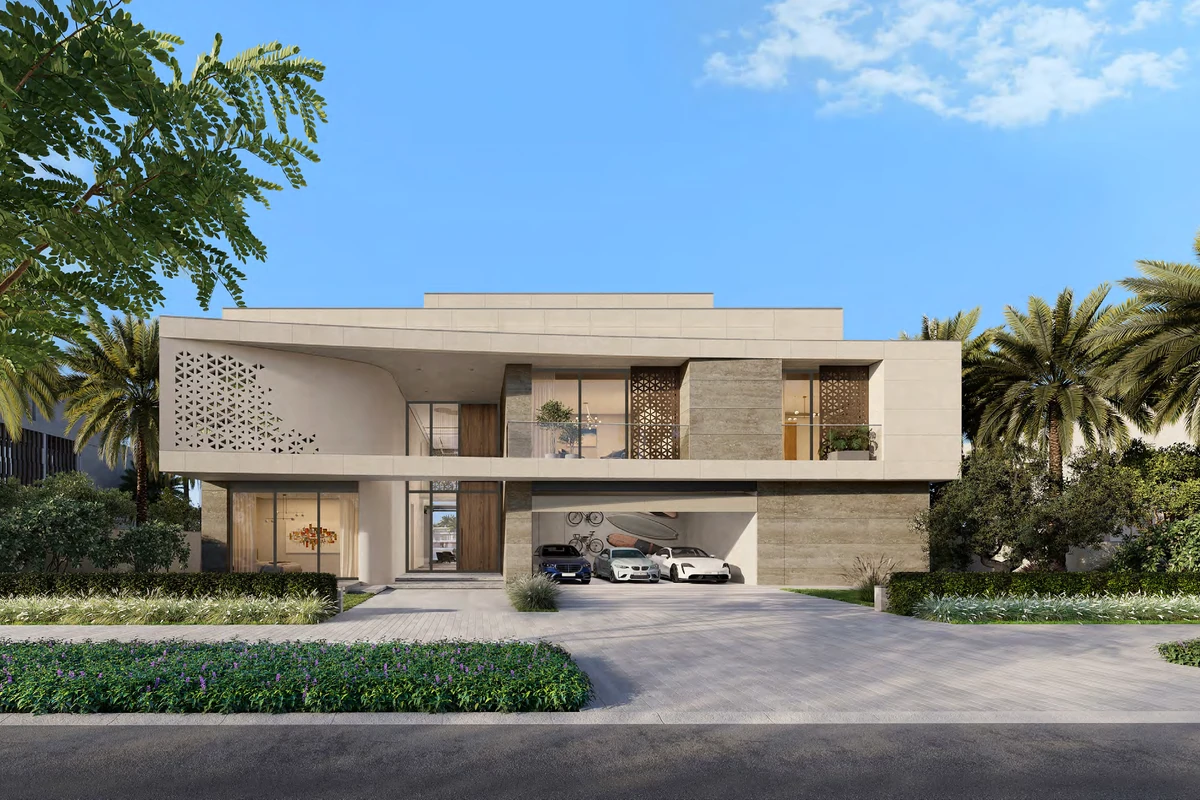
Villa Collection Palm Jebel Ali
AED 29.3 Million
Palm Jebel Ali
 5,6,7
5,6,7
 70/30
70/30
Nakheel is closely tied to the way Dubai's coastline has changed over the past two decades. For a property buyer, though, the name alone is not enough. The useful question is what Nakheel is developing now, where the property sits, and whether that particular project fits your reason for buying.
Nakheel is a Dubai-based master developer and a member of Dubai Holding, operating within Dubai Holding Real Estate. Its portfolio spans residential communities, waterfront developments, retail, hospitality and leisure. It is best known internationally for Palm Jumeirah, while its wider Dubai portfolio includes Palm Jebel Ali, Dubai Islands, The World and established residential districts across the city.
For buyers comparing off-plan properties in Dubai, Nakheel offers a broad mix rather than one standard property product. Its current portfolio includes apartments, beachfront residences, villas and townhouses across communities at very different stages of maturity.
Nakheel's strongest track record is in large-scale master planning, particularly waterfront development.
Palm Jumeirah is the clearest completed example. The 560-hectare man-made island extends around five kilometres into the Arabian Gulf and today combines homes, hotels, marinas, restaurants, retail and leisure facilities.
Nakheel is now applying that experience to newer areas. Palm Jebel Ali is under active development as a much larger waterfront destination, while Dubai Islands is being developed as five interconnected islands with residential, hospitality, leisure and beach components.
Nakheel states that its master developments span around 15,000 hectares, while its waterfront projects have added more than 300 kilometres to Dubai's original coastline. These figures give useful context on scale, but they should not replace project-level due diligence.
Palm Jumeirah is Nakheel's most established waterfront destination. For buyers, its importance is that it provides a real-world reference for how a Nakheel island community can operate once residences, hospitality, retail and transport infrastructure mature.
Palm Jebel Ali represents a different buying stage. Construction is progressing across residential fronds and supporting infrastructure, so buyers are purchasing into a destination that is still taking shape rather than an established neighbourhood.
In April 2026, Nakheel awarded contracts worth more than AED 3.5 billion for 544 additional villas across Fronds A-F, with those construction packages targeting Q4 2028 completion. That is evidence of active delivery, but it should not be treated as the handover date for every Palm Jebel Ali property.
Dubai Islands is another major Nakheel waterfront master development. It comprises five islands and more than 20 km of beaches, with residential, hotel, leisure, retail and public-space components planned across the destination.
Current Nakheel residential releases there include Bay Grove Residences and Bay Villas, alongside other hospitality-led waterfront development.
Nakheel is not only a villa developer.
Its current and previous Dubai portfolio includes apartments, penthouses, townhouses, villas and large waterfront homes.
For buyers looking at off-plan villas in Dubai, Palm Jebel Ali and Bay Villas are examples of Nakheel's current low-density waterfront direction.
Apartment buyers can compare developments such as Bay Grove Residences on Dubai Islands, Palm Central Private Residences on Palm Jebel Ali and Como Residences on Palm Jumeirah. Nakheel's current official launch directory lists these among its active developments.
The important point is that “Nakheel property” covers very different ownership experiences. A beachfront villa, high-rise residence and low-rise island apartment should not be compared using the same criteria.
Nakheel's completed master developments provide useful evidence of its ability to create large communities. That is a positive starting point, but it does not remove the need to assess the individual project.
For an end user, first look at community maturity. Palm Jumeirah already has schools nearby, retail, hotels, restaurants, transport and established services. Palm Jebel Ali is still being built. The developer may be the same, but daily life at handover can be very different.
For an investor, look beyond the developer name and check entry price, payment exposure, comparable supply, service-charge structure, property type and resale conditions.
For an off-plan buyer, request current documents for the exact unit. Starting prices, incentives, payment plans and completion dates can change between phases and releases.
Before paying a reservation amount, confirm the exact project, building or frond, unit or plot number, property type, total area, floor plan, orientation, view, total purchase price, payment schedule, SPA completion date, registration charges and any applicable service-charge information.
Also confirm whether features shown in renders are actually part of the delivered specification.
This matters particularly in villa projects. For example, the supplied Palm Jebel Ali brochure states in its plan disclaimer that certain landscape and swimming-pool features shown in imagery are illustrative and may not form part of the delivered property. That is exactly the kind of detail a buyer should check in the final sales documents rather than assuming from a render.
Nakheel's strongest point is its experience with master-planned communities and waterfront development.
Its main trade-off is that the portfolio is too broad to judge by the developer name alone. A buyer looking at mature Palm Jumeirah property has a different risk, timeline and lifestyle decision from someone buying into developing Palm Jebel Ali or Dubai Islands.
Use Nakheel's track record as one part of the decision. Then judge the actual property on its own numbers, documents, location and delivery stage.
Do you want to open this exclusive property page?
URL: